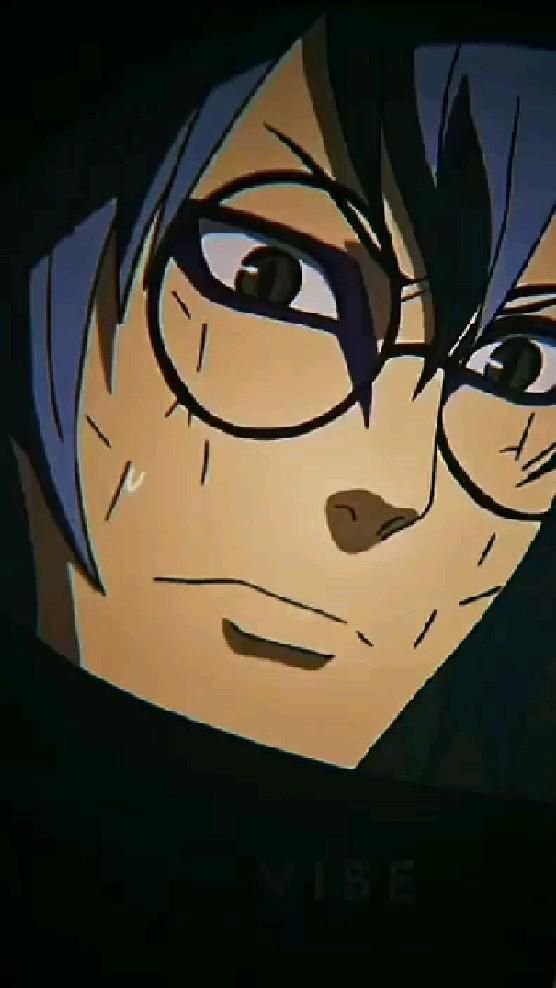
For many anime fans, the name Itachi Uchiha conjures images of powerful ninja, tragic sacrifice, and an iconic black flame. So, if you've been wondering where Itachi Uchiha fits into the fiery world of Fire Force, you're not alone in your curiosity! Let's clear the air right away: Itachi Uchiha is not, and has never been, a character in Fire Force. He is a pivotal and beloved figure from Masashi Kishimoto's globally renowned ninja saga, Naruto.
The confusion is understandable. Fire Force is all about pyrokinetics and intense flame-based battles, while Itachi Uchiha is famously associated with one of the most devastating fire techniques in Naruto: Amaterasu, an inextinguishable black flame said to be hotter than the sun. It's a natural leap for some to mistakenly connect the two.
But fear not, because while he isn't igniting infernals, Itachi's story is one of the most compelling and heartbreaking in anime history. Join us as we unravel the true legend of Itachi Uchiha, a character whose complexity, sacrifice, and incredible power continue to resonate with fans worldwide. If you're ready to understand who Itachi Uchiha truly is and why he captivated millions, read on!
The Tragic Prodigy Behind the Black Flames
Itachi Uchiha was introduced in Naruto as a formidable antagonist, the older brother of Sasuke Uchiha and the one responsible for the brutal massacre of his entire clan. His early appearances portrayed him as a cold, calculating criminal aligned with the infamous Akatsuki organization. This initial impression set the stage for one of the greatest reveals in anime history.
Born a child prodigy in Konohagakure (the Hidden Leaf Village), Itachi's intelligence and talent were unmatched, even among the elite Uchiha clan. However, his youth was scarred by war, instilling in him a deep desire for peace above all else. This foundational belief would ultimately drive his most agonizing decisions.
The Unthinkable Choice: Saving Konoha and Sasuke
The Uchiha clan, feeling marginalized by the village leadership, began plotting a coup d'état against Konoha. Itachi, who had served as a double agent within the Anbu for years, found himself caught between his clan and the village he loved. Faced with the grim prospect of civil war and total annihilation for the Uchiha, Itachi was given a top-secret mission by Konoha's leadership: eliminate his own clan to prevent an even greater catastrophe. His one condition? That his beloved younger brother, Sasuke, be spared at all costs.
This horrific mission was also influenced by his best friend, Shisui Uchiha, who shared Itachi's devotion to the village and possessed a unique Mangekyo Sharingan ability to subliminally manipulate others. Shisui attempted to use his power to stop the coup peacefully but was ambushed, losing an eye to the shadowy Danzo Shimura. Entrusting his remaining eye to Itachi, Shisui committed suicide, an act Itachi covered up to appear as his own doing to further push Sasuke. To truly understand the full, tragic story of the Uchiha Clan Massacre, it's crucial to grasp these intricate layers of manipulation and sacrifice.
Itachi carried out the massacre, leaving Sasuke alive and implanting in him the false narrative that he did it for power, intending for Sasuke to hate him enough to grow strong and eventually kill him. This ultimate act of selflessness was a heavy burden, forcing him to become a traitor in the eyes of his brother and the world. To dive deeper into Itachi's complex and often misunderstood motivations, you'll discover a hero masked as a villain.
The Akatsuki and a Secret Protector
After the massacre, Itachi joined the Akatsuki, a dangerous criminal organization. On the surface, he was a loyal member, but in reality, he continued to protect Konoha from the shadows, monitoring the Akatsuki's activities and ensuring they wouldn't endanger his home village. He formed a unique bond with his Akatsuki partner, Kisame Hoshigaki, who respected Itachi's strength and unwavering resolve.
In Naruto Part I, Itachi returned to Konoha, ostensibly to hunt Naruto Uzumaki and his Nine-Tailed Beast, but secretly to check on Sasuke. He engaged his younger brother in a brief, devastating battle, pushing Sasuke to his limits to accelerate his growth. These encounters were designed not to kill, but to fuel Sasuke's ambition. For a closer look at Itachi's time and crucial missions within the Akatsuki, explore his hidden agenda.
The Climactic Confrontation and Final Sacrifice
The inevitable showdown between Itachi and Sasuke arrived in Naruto Part II. During their climactic duel, Itachi utilized his formidable Mangekyo Sharingan abilities, including the powerful genjutsu Tsukuyomi and the inextinguishable black flames of Amaterasu. He sealed away the parasitic Orochimaru, who resided within Sasuke, using his Totsuka blade.
Ultimately, Itachi succumbed not to Sasuke's power, but to a mysterious, incurable illness that had been ravaging his body. With his dying breath, he implanted his Amaterasu technique within Sasuke's eyes, a final safeguard meant to kill Tobi (Obito Uchiha) if he ever revealed the truth of the Uchiha clan's slaughter. Though Tobi survived, he did reveal the truth, turning Sasuke's rage towards Konoha. To understand the evolution of their intense rivalry and pivotal confrontations, examine every twist and turn.
A Return from the Grave: The Fourth Great Ninja War
Itachi's story didn't end with his death. During the Fourth Great Ninja War, he was resurrected by Kabuto Yakushi using the forbidden Edo Tensei (Impure World Reincarnation Technique), which brings the dead back as immortal corpses under the summoner's control. Though initially forced to fight against the Allied Shinobi Forces, Itachi managed to regain his free will thanks to a crow imbued with Shisui's Sharingan that he had previously implanted into Naruto.
Partnering with Sasuke, Itachi confronted Kabuto. After a long and strategic battle, Itachi trapped Kabuto in an eternal time-loop using the Izanami, a genjutsu designed to force the target to accept their fate and change their ways. This act compelled Kabuto to release the Edo Tensei, freeing Itachi and all other resurrected ninja. Before his soul departed for good, Itachi projected his memories to Sasuke, revealing the full, heartbreaking truth of the Uchiha Clan Massacre and expressing his unconditional, eternal love. For the intricate details of Itachi's dramatic return and his confrontation with Kabuto, read our dedicated guide.
Itachi's Lasting Legacy on Sasuke
Itachi's final words profoundly impacted Sasuke, shifting his path from vengeance against Konoha to one of protecting the village, thereby fulfilling Itachi's deepest wish. Sasuke later adopted Itachi's affectionate forehead poke as a gesture of love and reassurance, a poignant symbol of their reunited bond and Itachi's enduring influence. Discover the profound and lasting impact Itachi had on his younger brother's path.
Amaterasu: The Black Flames That Define Itachi
One of the primary reasons Itachi is often linked to "fire" is his mastery of Amaterasu, a technique unique to the Mangekyo Sharingan. Amaterasu manifests as undying black flames, described as being as hot as the sun itself, that incinerate everything in their path. Once ignited, these flames burn until their target is completely consumed or the user wills them to stop, making them incredibly difficult to counter.
Amaterasu is deeply rooted in Japanese mythology, named after the Sun Goddess Amaterasu Omikami, a clear indicator of its immense power. Itachi's version, cast from his right eye, consumed a massive amount of chakra and strained his vision, leading to severe eye damage and contributing to his eventual blindness, exacerbated by his terminal illness. Sasuke later developed a more advanced form called Blaze Release, which allowed him to not only cast Amaterasu but also shape the flames with Kagutsuchi, creating defensive barriers and offensive constructs.
To explore all the awe-inspiring powers of his Mangekyo Sharingan, you'll find a comprehensive overview of his visual prowess. And for a dedicated breakdown of Amaterasu, his signature undying black flames, delve into one of the most iconic jutsu in Naruto.
Why Itachi Uchiha Remains a Fan Favorite
Itachi Uchiha consistently ranks among the most popular characters in the Naruto series, frequently appearing in top 10 polls. Fans and critics alike praise his complex character development, the genius of his tragic backstory, and his compelling, strategic battles. He's often lauded as "badass" and his past as "intriguing," solidifying his place as an anime icon.
His enduring appeal stems from his profound sacrifice, his unwavering love for Sasuke and Konoha, and the sheer power he wielded. Itachi embodies the archetype of a true hero who chose to bear the world's hatred to protect those he loved, a theme that resonates deeply with audiences. From keychains to elaborate figurines, merchandise featuring Itachi Uchiha is highly sought after, reflecting his monumental impact. Explore the enduring theories and immense cultural footprint Itachi Uchiha left behind in our extensive article.
Conclusion: A Legend Beyond the Flames
While Itachi Uchiha may not wield his black flames in the world of Fire Force, his legacy as a tactical genius, a selfless hero, and a master of powerful fire-based ninja techniques remains undisputed in the Naruto universe. His story is a testament to the complexities of duty, sacrifice, and the profound bonds of family, cementing his status as one of anime's most memorable and beloved characters.
So, the next time you hear "Itachi Uchiha" and think of powerful flames, remember the ninja legend who, despite being misunderstood for so long, ultimately ensured peace through his own suffering. His fire burns not for destruction, but for the protection of all he held dear.